Virtual Labs PC Hardware Recommendations
Affordable Hardware for Modern Virtual Labs
One of the most common misconceptions about virtual laboratories is that schools and universities require extremely high-end computers to run them effectively. In reality, most modern virtual labs are optimized to run on mid-range hardware, allowing institutions to reduce infrastructure costs while still delivering immersive and high-quality learning experiences.
Many educational institutions unintentionally overspend on hardware specifications that provide little to no educational advantage for virtual lab applications. This often results in reduced budgets for what truly matters: high-quality educational content, simulations, curriculum development, and student access to learning resources.
For the majority of PC-based virtual labs, a system equipped with a modern 4-core processor, 8GB of RAM, and a graphics card with approximately 3GB or more of VRAM is more than sufficient. Graphics cards such as the NVIDIA RTX 3050 or RTX 4050 6GB provide excellent performance for educational virtual simulations and 3D environments without the need for expensive workstation-class hardware.
AMD Radeon RX Vega graphics solutions are also a strong alternative to NVIDIA-based systems for many virtual lab applications, especially for schools seeking lower-cost deployments while maintaining reliable graphical performance.
In terms of storage, a 512GB SSD provides more than enough capacity for operating systems, educational software, virtual labs, and local files. SSD technology also significantly improves loading times and overall system responsiveness compared to older hard drives.
Display size is another area where schools can reduce unnecessary expenses. A standard 15.6" laptop display is ideal for classroom environments and student portability. Larger 17" displays often increase laptop costs by more than 50% while providing minimal practical benefits for educational virtual lab usage.
Recommended Laptops for Virtual Labs
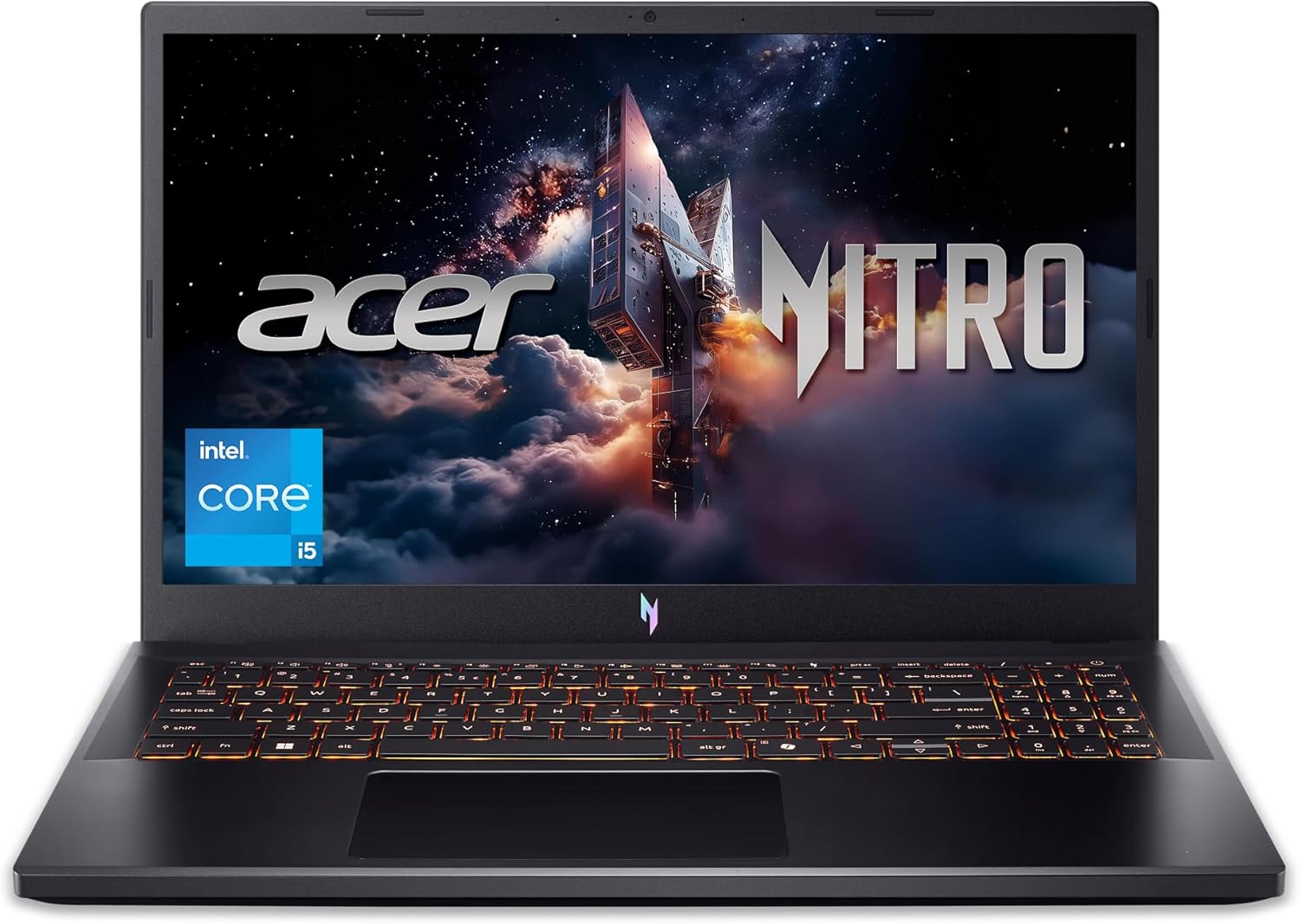
Acer Nitro V Gaming Laptop
Intel Core i5-13420H Processor | NVIDIA GeForce RTX 4050 Laptop GPU | 15.6" FHD IPS 165Hz Display | 8GB DDR5 | 512GB Gen 4 SSD | Wi-Fi 6 | Backlit Keyboard
This laptop provides excellent performance for demanding virtual labs and 3D educational simulations while remaining affordable compared to premium workstation systems.
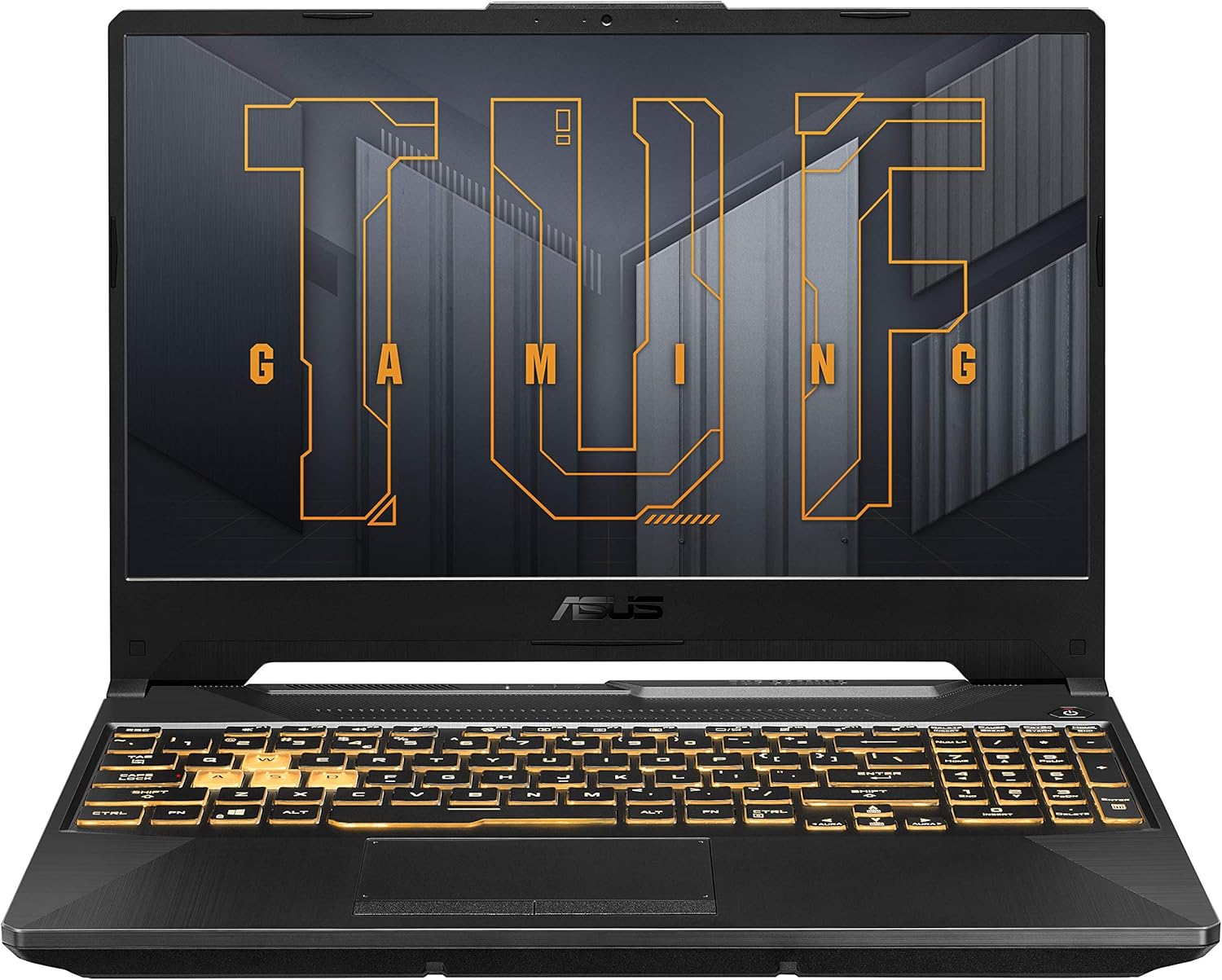
ASUS TUF A15 Gaming Laptop
15.6” Full HD 144Hz Display | GeForce RTX 3050 | AMD Ryzen 7 7435HS | 8GB DDR5 RAM | 512GB PCIe SSD | Wi-Fi 6 | Windows 11
A balanced solution for schools seeking strong graphical performance and long-term reliability for virtual lab deployment across multiple classrooms.
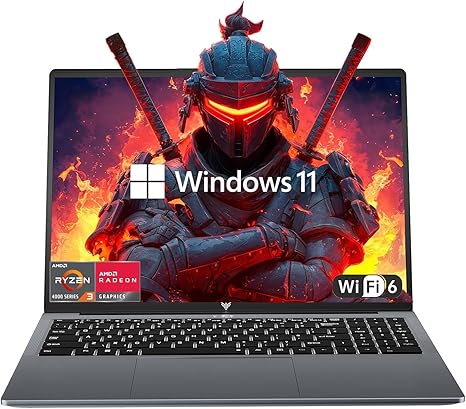
KAIGERR Light Gaming Laptop
AMD Ryzen 7 5825U (8C/16T) | Radeon RX Vega 8 Graphics | 16GB RAM | 1TB NVMe SSD | 15.6" Display | Wi-Fi 6 | Windows 11
This system demonstrates that AMD RX Vega graphics can also deliver very capable virtual lab performance while offering excellent value for educational institutions operating under tighter budgets.
By carefully selecting practical and balanced hardware configurations, schools can significantly reduce infrastructure costs while maximizing investment in educational software, simulations, and student learning experiences.
Contact Us


.png)