Engineering Virtual Reality Labs for Hamad Bin Khalifa University
Immersive VR Labs and Windows-Based Virtual Labs for Comprehensive Engineering Education
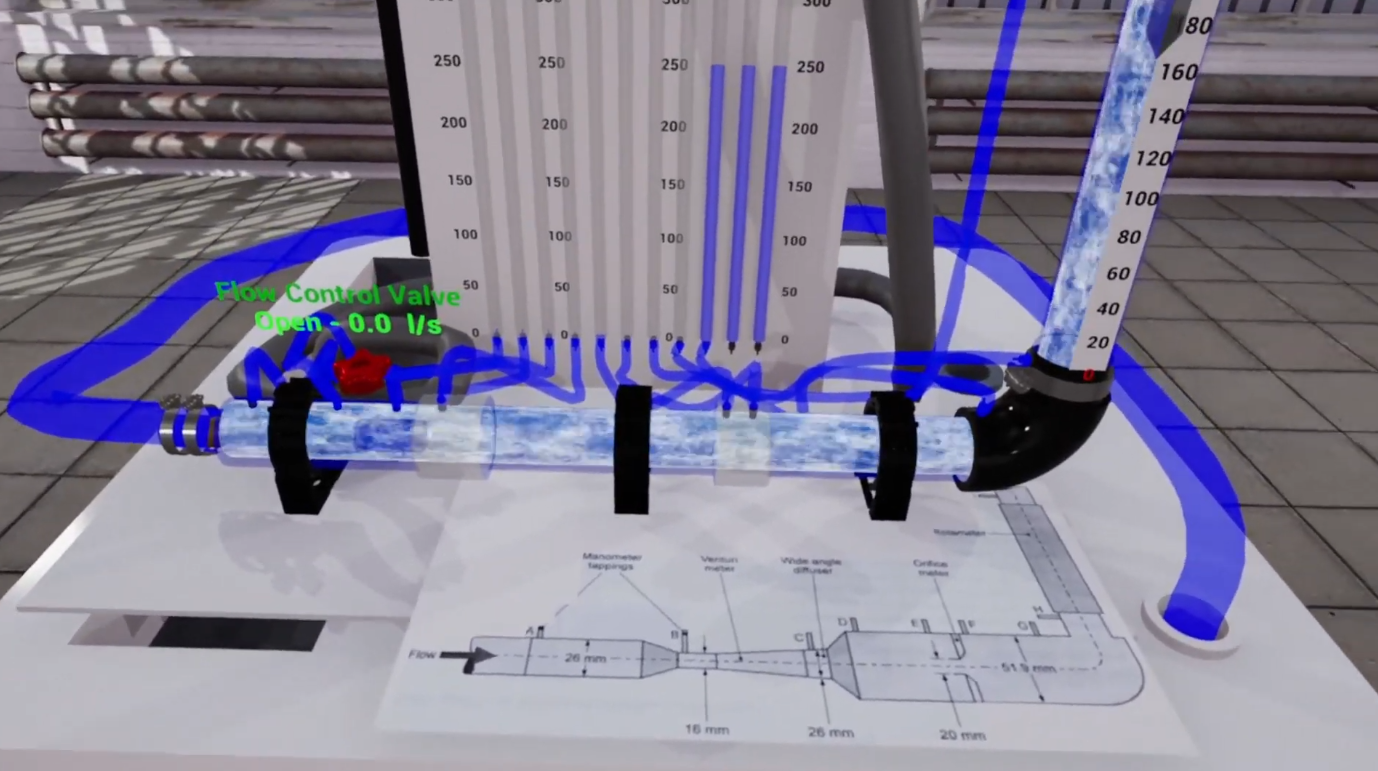
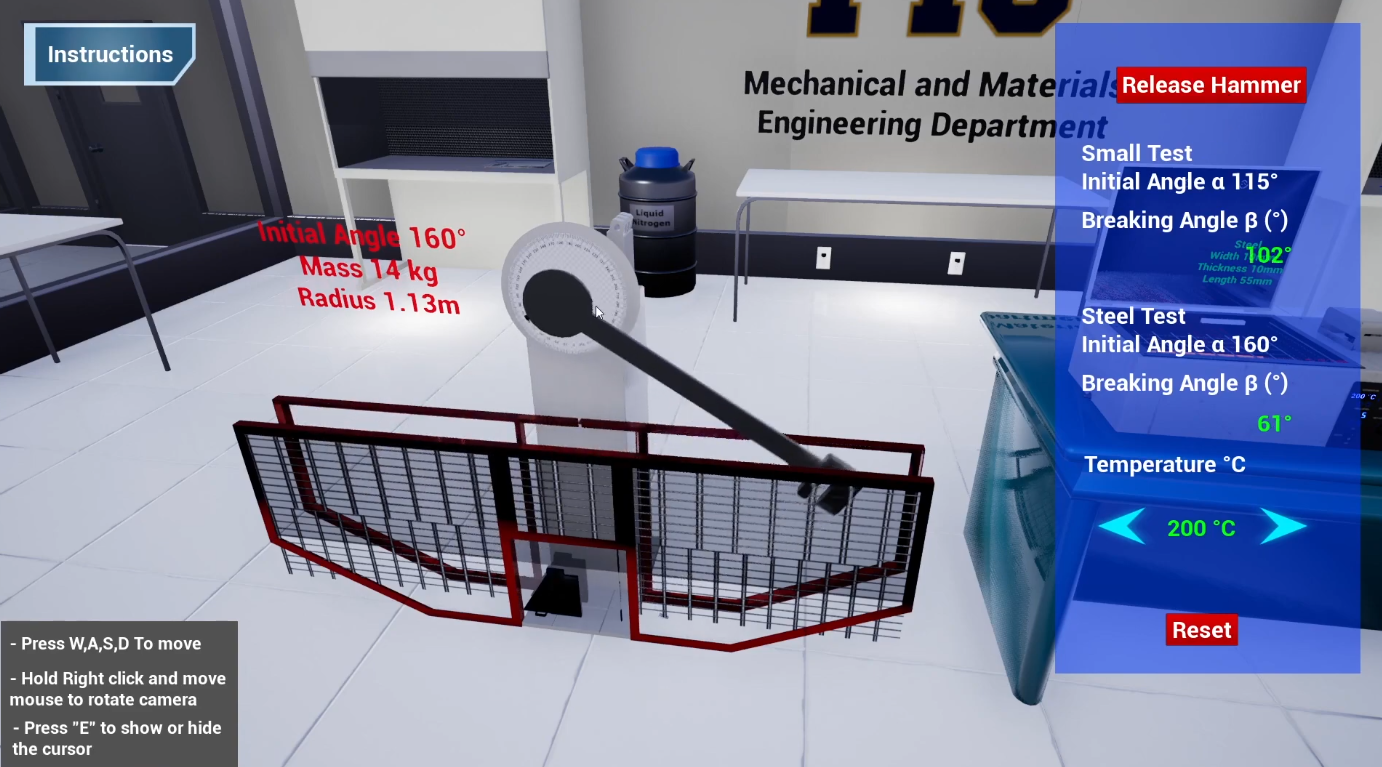
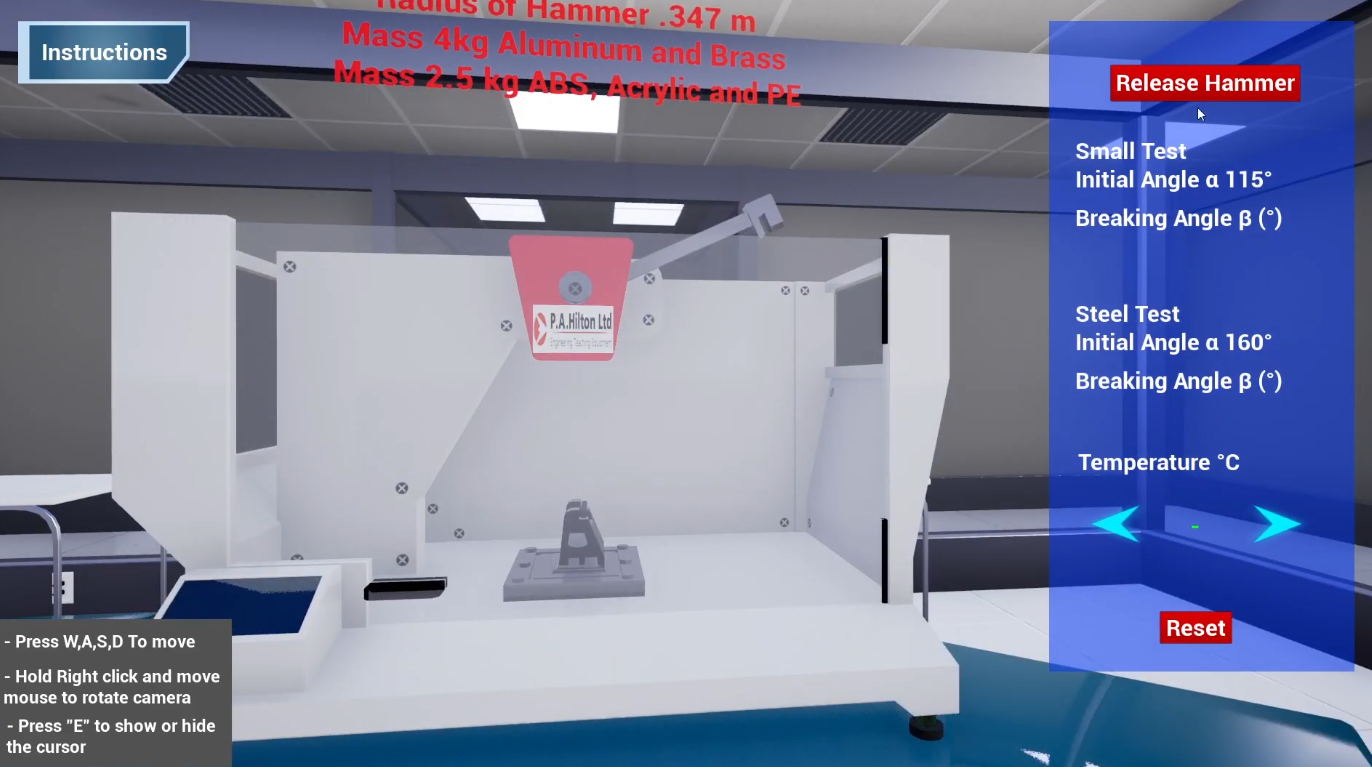
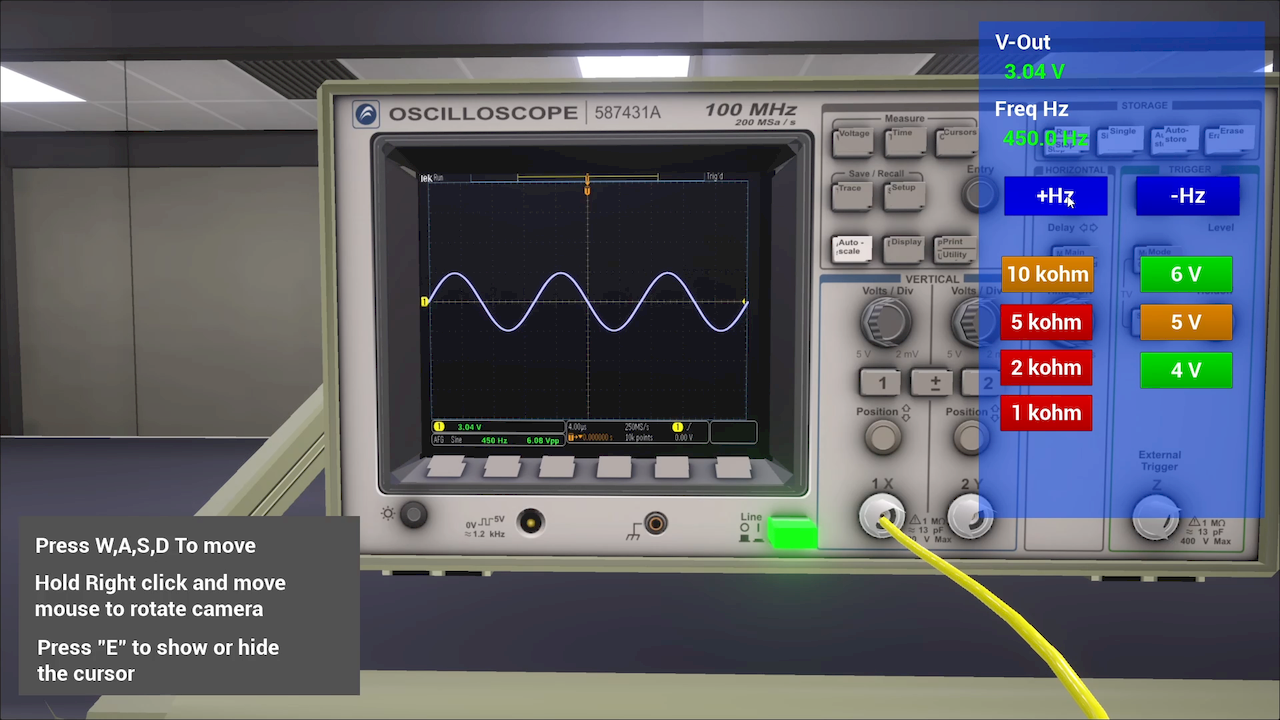
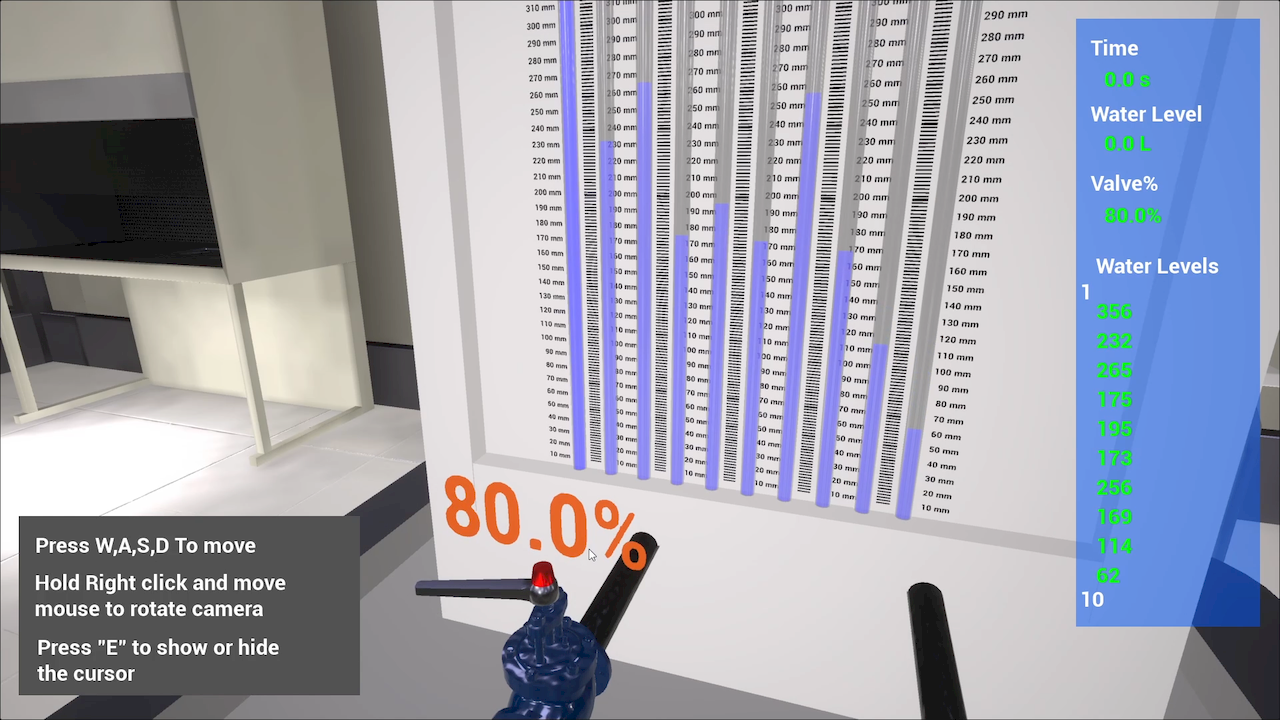
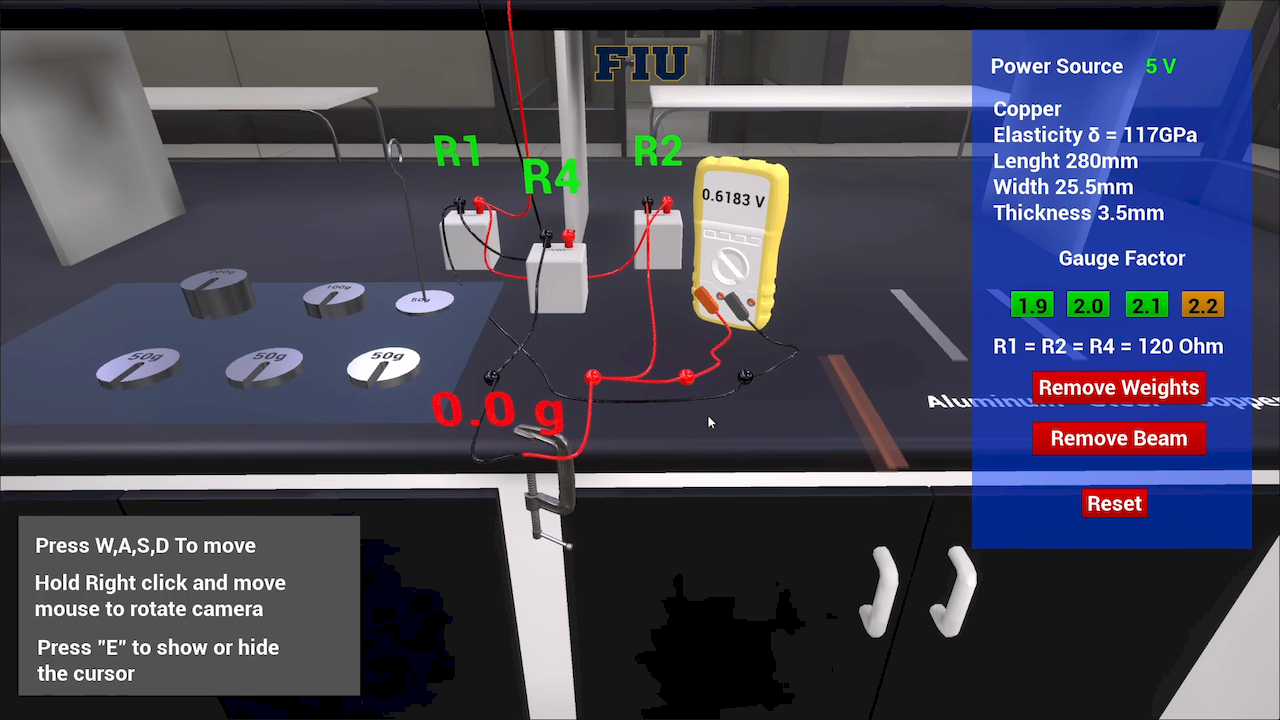
Hamad Bin Khalifa University (HBKU) in Qatar is revolutionizing engineering education through the implementation of immersive virtual reality labs developed by PNX Labs. These cutting-edge virtual labs provide students with hands-on experience in critical engineering concepts through both virtual reality headsets for immersive learning and Windows-based applications for accessibility.
Dual-Format Virtual Labs: VR Immersion & Windows Accessibility
HBKU's innovative approach provides students with two distinct learning formats. The virtual reality labs offer fully immersive 3D environments where students can interact with laboratory equipment as if they were physically present. Simultaneously, Windows-based versions ensure all students can access the experiments from any location, providing flexibility and comprehensive learning opportunities.
Comprehensive Engineering Curriculum Covered
The virtual labs at HBKU cover eight essential engineering subjects, each designed to provide practical, hands-on experience:
Viscosity of Liquids Virtual Lab
Students explore fluid mechanics by measuring viscosity through virtual viscometers, understanding how different liquids behave under various conditions and temperatures.
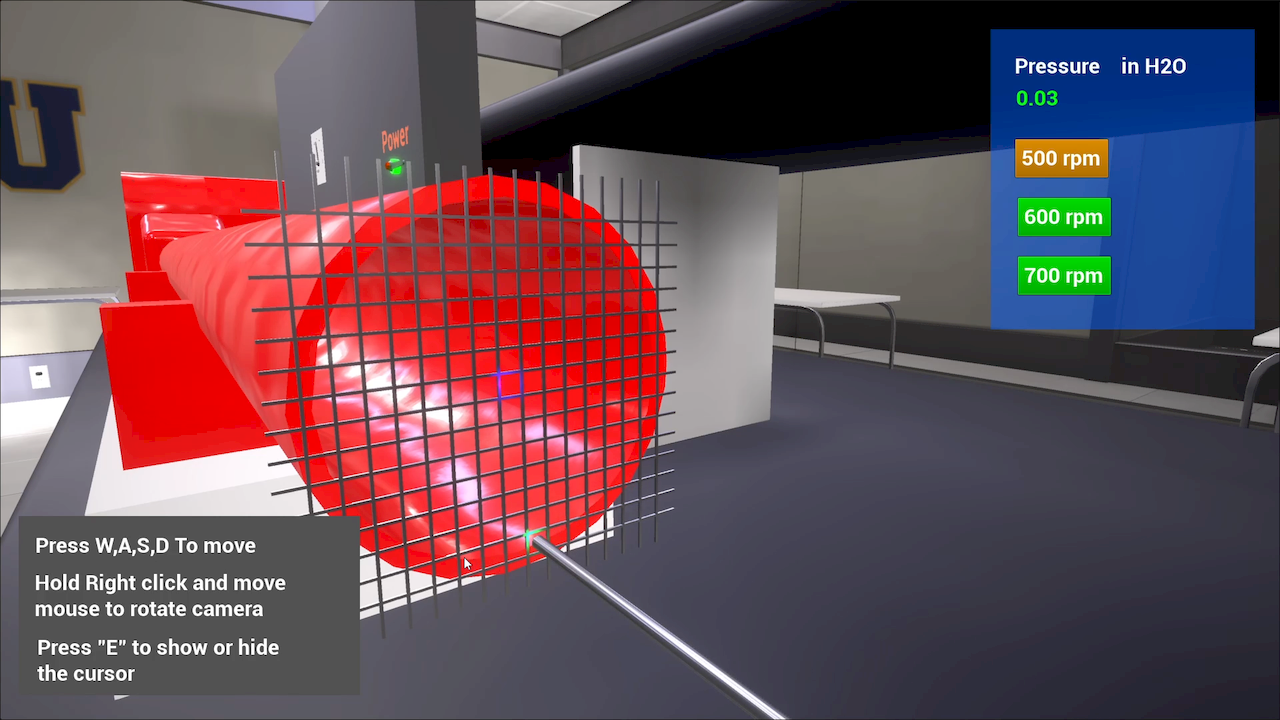
Centrifugal Pumps Virtual Lab
This lab allows students to study pump characteristics, performance curves, and system interactions in a safe virtual environment without the risks associated with high-pressure fluid systems.
Rockwell Hardness Test Virtual Lab
Materials engineering students can perform hardness testing on various metals and alloys, learning about material properties and testing procedures without consuming physical samples.
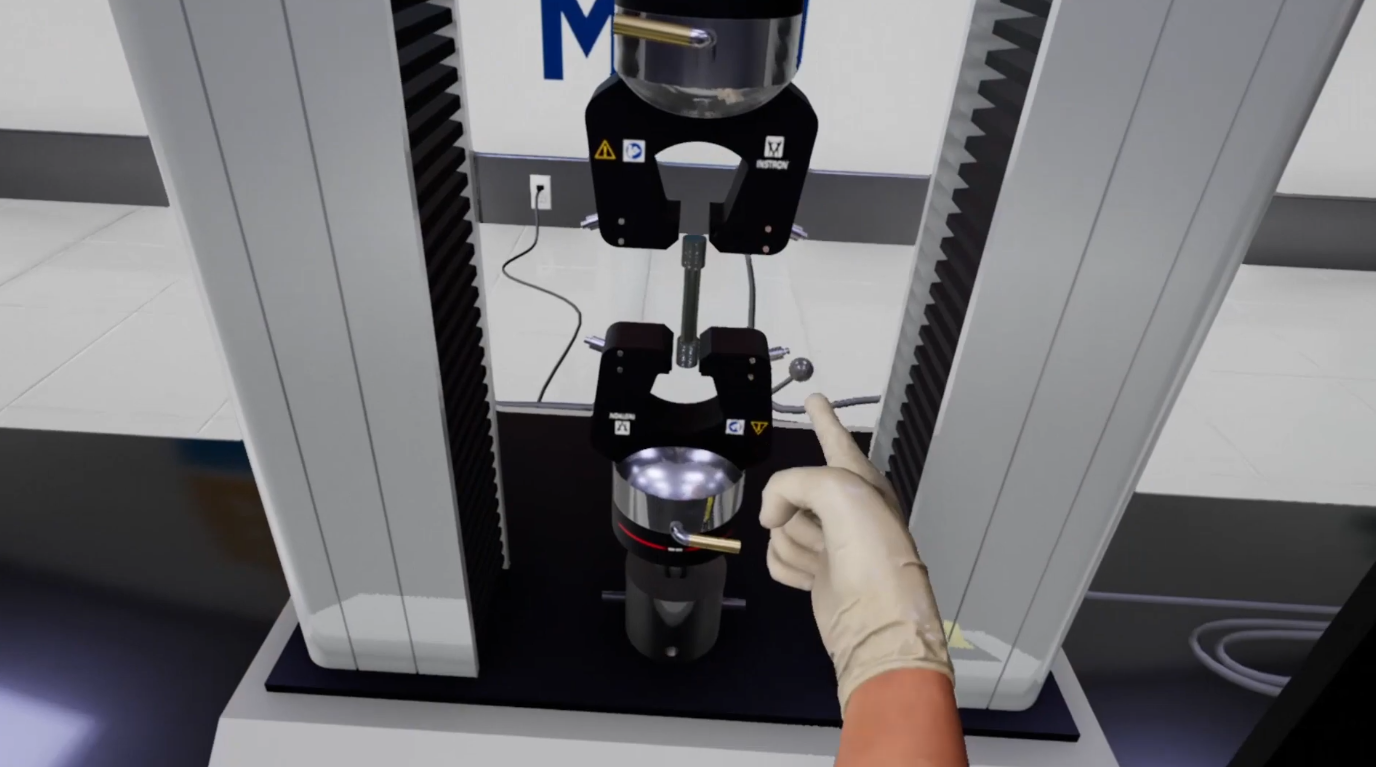
Universal Test – Tension Virtual Lab
Students conduct tensile tests on different materials, observing stress-strain relationships and material failure points in a controlled virtual setting.
Refrigerators Virtual Labs
Thermodynamics and HVAC principles come alive as students experiment with refrigeration cycles, component interactions, and system efficiency optimization.
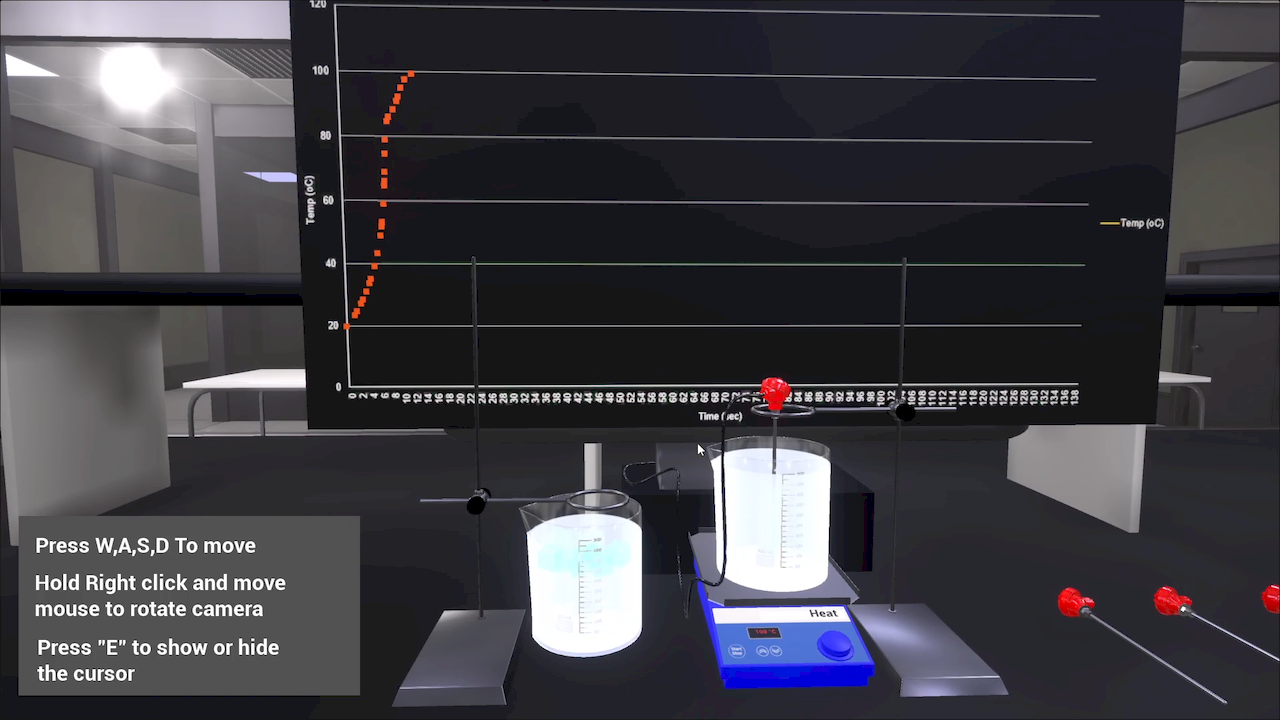
Heats of Fusion & Vaporization Virtual Lab
This lab focuses on phase change thermodynamics, allowing students to measure and understand the energy required for state changes in various substances.
Electrochemistry: Voltaic Cells Virtual Lab
Chemistry and engineering students explore electrochemical principles, constructing virtual voltaic cells and studying voltage generation, electrode potentials, and chemical reactions.
Momentum, Energy, and Collisions Virtual Lab
Physics and mechanical engineering students investigate conservation laws through virtual collision experiments, analyzing momentum transfer and energy conservation in different scenarios.
Benefits of Virtual Reality Engineering Education
The implementation of virtual reality labs at HBKU provides numerous advantages. Students gain practical experience with expensive laboratory equipment without safety concerns or resource limitations. The immersive VR format enhances learning retention through spatial memory and hands-on interaction, while the Windows version ensures accessibility for all students regardless of their hardware capabilities.
From a pedagogical perspective, these virtual labs allow for repeatable experiments, enabling students to learn through trial and error without material costs or safety risks. The labs generate data consistent with real-world experimentation, as they are based on actual experimental data gathered by engineering faculty.
For HBKU, this initiative represents a commitment to innovative STEM education delivery, particularly valuable given global challenges in education accessibility. The university's partnership with PNX Labs demonstrates leadership in adopting technology-enhanced learning solutions that prepare students for modern engineering challenges.