Realistic Virtual Labs in Science Education
Why accuracy and visual fidelity matter in chemistry, physics, and biology simulations
Virtual laboratories have become a powerful tool in modern science education. However, not all virtual labs provide the same educational value. For students to truly benefit, simulations must closely match real-world laboratory equipment and replicate the behavior of scientific processes with high accuracy.
In disciplines such as chemistry, physics, and biology, students are often required to transition from virtual environments to real laboratories. If the virtual experience does not accurately reflect real equipment or procedures, students may develop misunderstandings or perform experiments incorrectly when working with actual instruments.
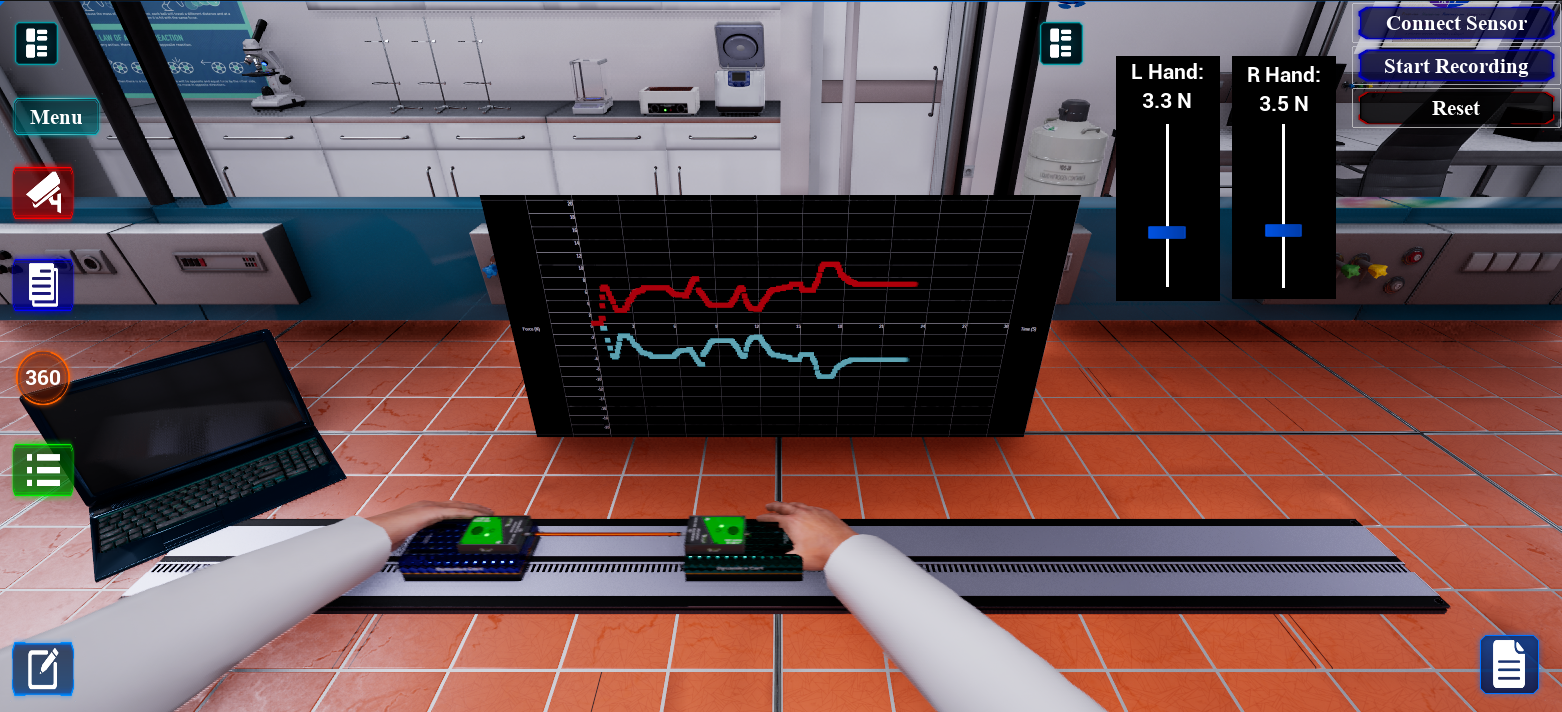
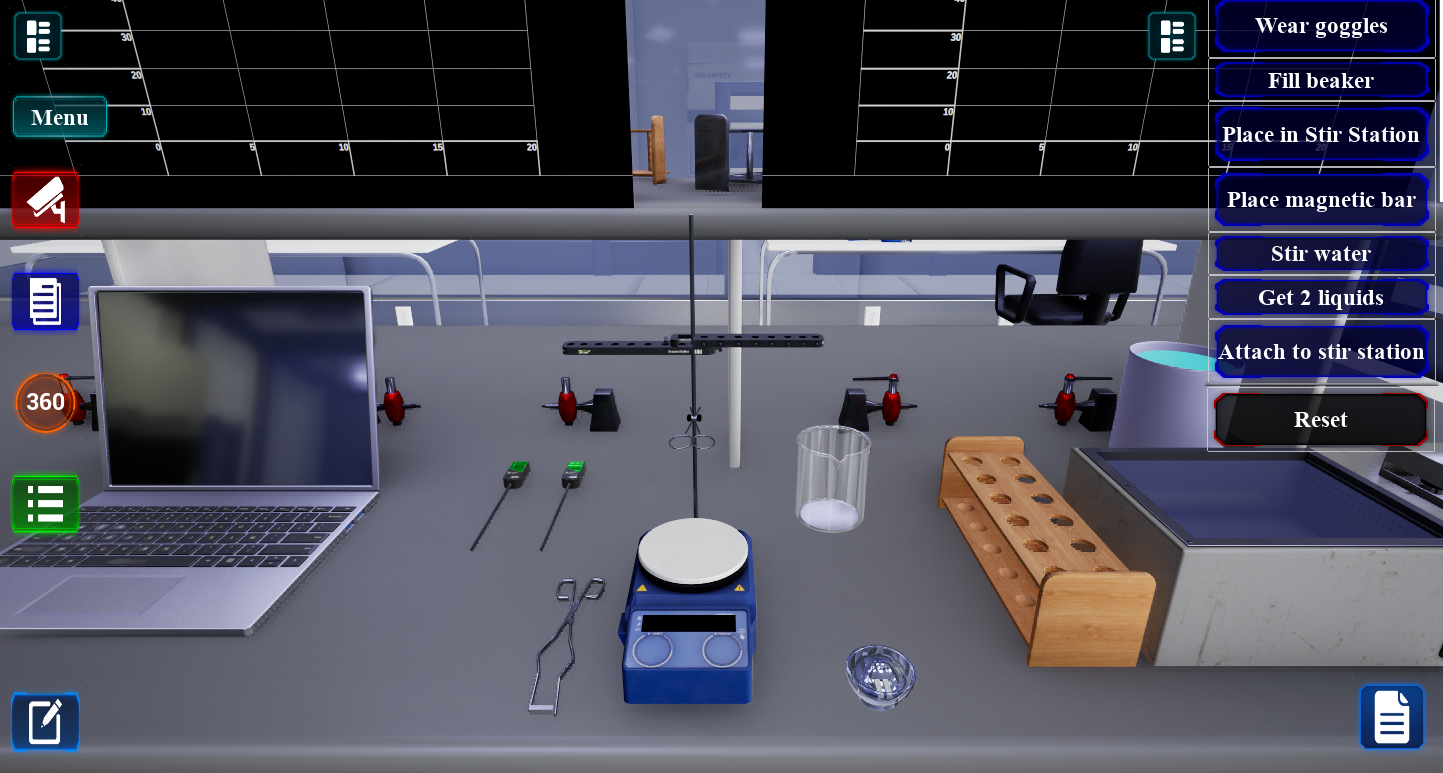
Another critical factor is visual realism. Especially in chemistry, where reactions, color changes, and material properties are essential for understanding, low-quality or cartoonish graphics can reduce the educational impact. High-quality rendering helps students better perceive and interpret scientific phenomena, reinforcing learning outcomes.
Key Benefits of Realistic Virtual Labs:
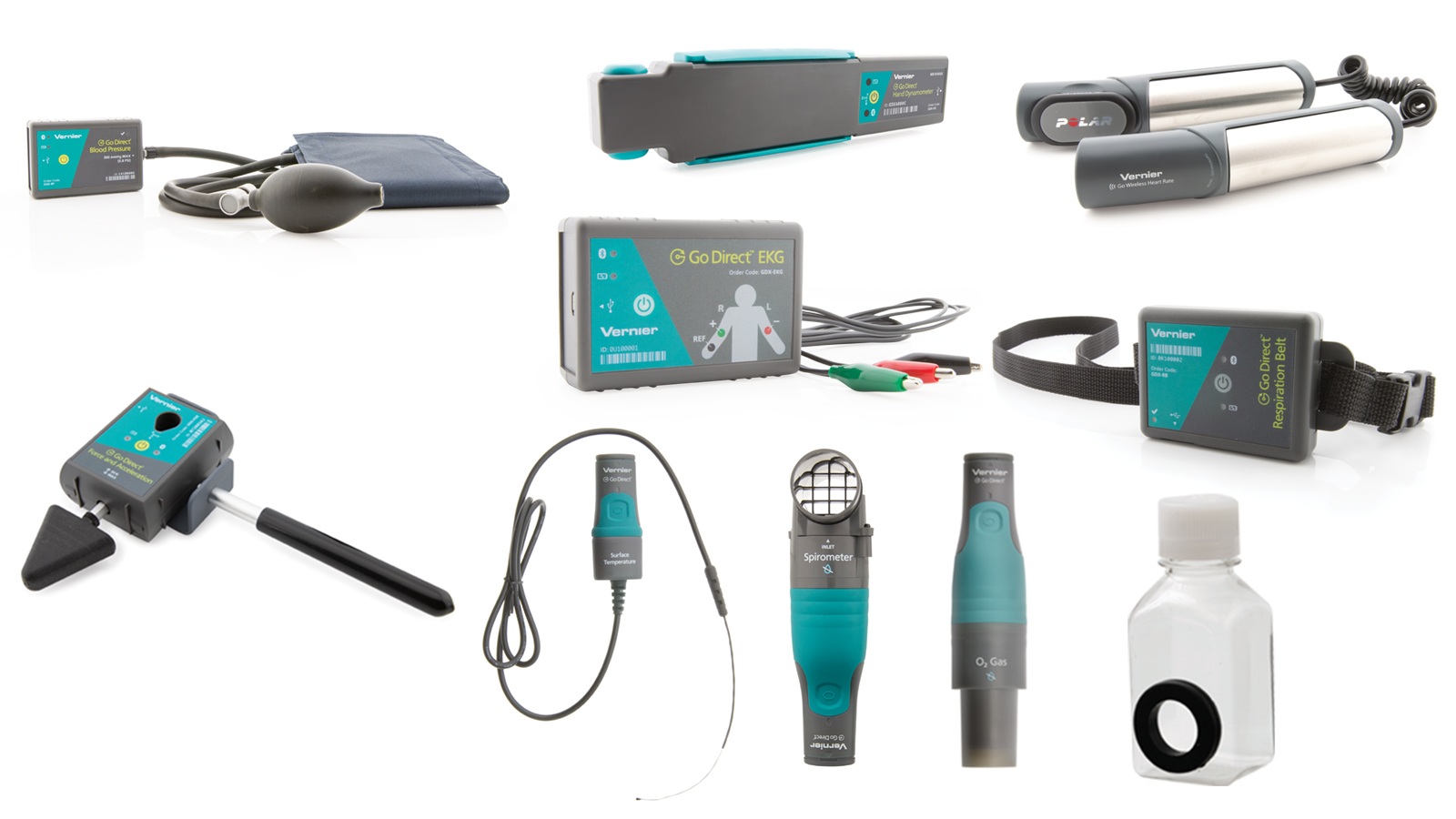
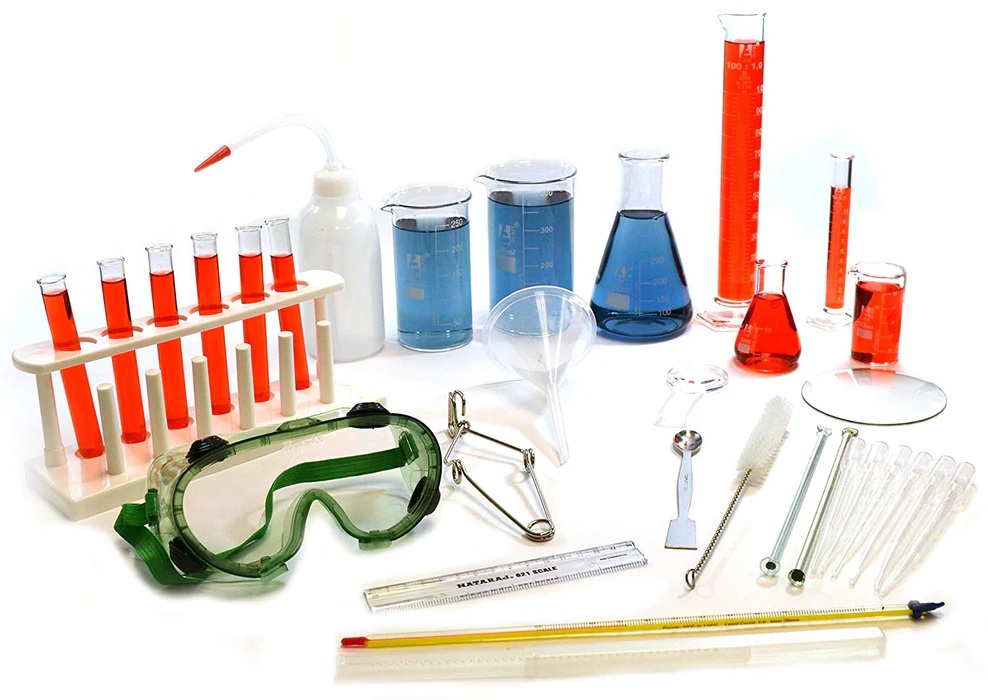
1. Accurate Equipment Representation: Virtual labs that replicate real scientific instruments help students become familiar with the tools they will use in physical laboratories. This reduces the learning curve and increases confidence when transitioning to hands-on experiments.
2. Prevention of Misconceptions: When simulations behave differently from real-world systems, students can develop incorrect assumptions. Accurate modeling ensures that learners understand correct procedures and outcomes, minimizing errors in real lab environments.
3. Improved Procedural Training: Matching virtual equipment with real counterparts allows students to practice correct workflows, sequences, and safety measures. This is especially important in chemistry labs, where improper handling can lead to hazardous situations.
4. High-Fidelity Visual Learning: Advanced graphics and realistic rendering provide a clearer representation of scientific phenomena. In chemistry, this includes observing precise color transitions, reaction rates, and material changes that are often lost in simplified or cartoon-style simulations.
5. Enhanced Engagement and Perception: Realistic environments feel more immersive and credible. Students are more likely to engage deeply with simulations that visually resemble real laboratories rather than abstract or overly simplified versions.
6. Better Conceptual Understanding: When students can visually and interactively connect theory with realistic outcomes, they develop a stronger understanding of scientific principles. This is particularly important for complex topics in physics and molecular behavior in chemistry.
7. Consistency Between Virtual and Physical Labs: Aligning virtual simulations with real-world equipment ensures continuity in education. Students can seamlessly move between digital and physical environments without needing to relearn tools or processes.
8. Professional Skill Development: Exposure to realistic tools and simulations prepares students for academic research and industry environments, where familiarity with actual laboratory equipment is essential.
In conclusion, the effectiveness of virtual labs depends heavily on their level of realism. Accurate representation of scientific equipment combined with high-quality visual rendering ensures that students not only understand theoretical concepts but are also prepared to apply them correctly in real-world laboratory settings. Investing in realistic simulations is not just a technical improvement—it is a fundamental step toward better science education.
Contact Us


.png)