Best Practices for Implementing Virtual Labs
How to successfully integrate digital and physical science education
The successful implementation of virtual laboratories in schools requires more than simply adopting new technology. It demands a thoughtful alignment between virtual simulations and real-world laboratory experiences. When done correctly, virtual labs enhance learning, improve accessibility, and prepare students for hands-on scientific work.
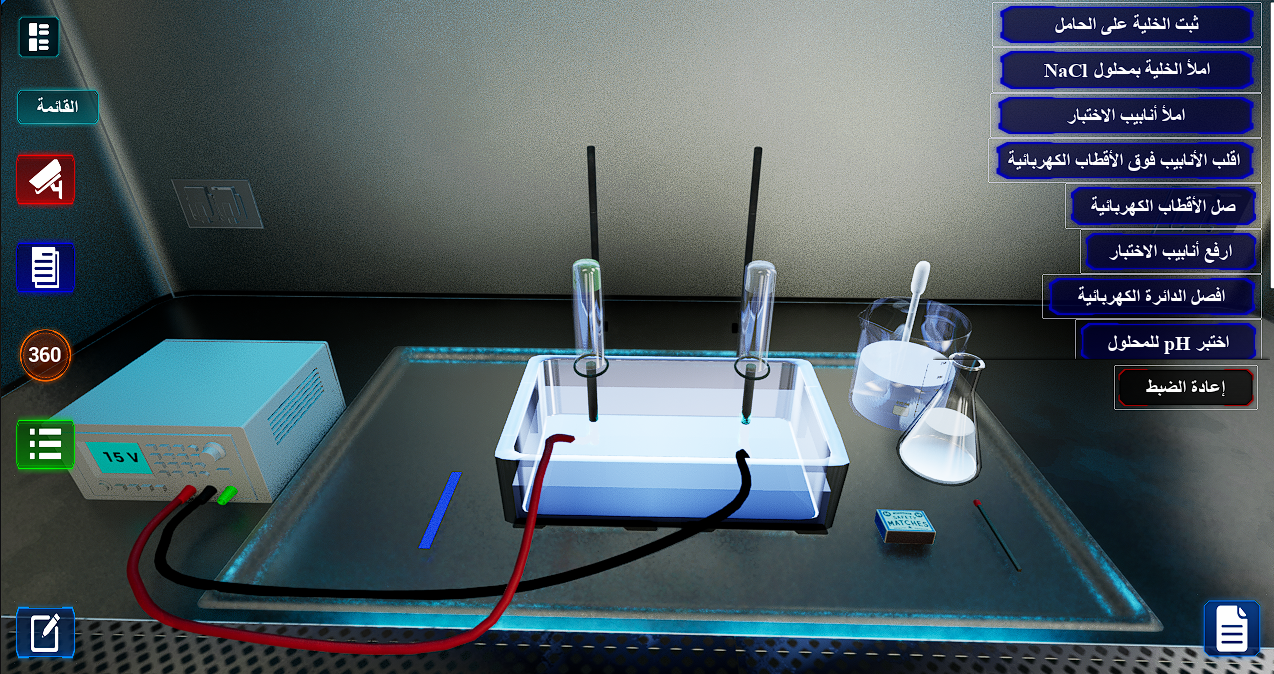
A key requirement for success is that virtual labs must replicate the same instruments, models, and operational functionalities found in real laboratories. Students should interact with simulations that behave like actual equipment, ensuring that the knowledge and skills they acquire transfer directly to physical lab environments.
Core Best Practices:
1. Accurate Replication of Laboratory Equipment: Virtual labs must mirror real instruments in both appearance and functionality. This includes controls, measurement methods, and experimental procedures. Without this alignment, students may struggle when transitioning to physical labs or develop incorrect experimental habits.
2. Focus on Scientific Accuracy Over Visual Simplification: While some solutions reduce development costs by simplifying simulations, this often compromises educational value. High levels of accuracy in physical and chemical reactions are essential for meaningful learning outcomes.
3. Avoid Overinvestment in Hardware: Effective virtual labs do not require extremely expensive computers. Systems with 4 to 6 CPU cores, 8GB of RAM, and graphics cards with 3GB of VRAM are sufficient to run high-quality simulations. Devices in the price range of 500 to 700 USD provide excellent performance for educational purposes. Spending above 700 USD per device is generally unnecessary and diverts resources away from what truly matters: high-quality, accurate learning experiences.
4. Prioritize Content Quality Over Equipment Cost: Investment should focus on simulations that replicate real scientific phenomena with precision. The value of a virtual lab lies in its accuracy and educational design, not in excessive hardware specifications.
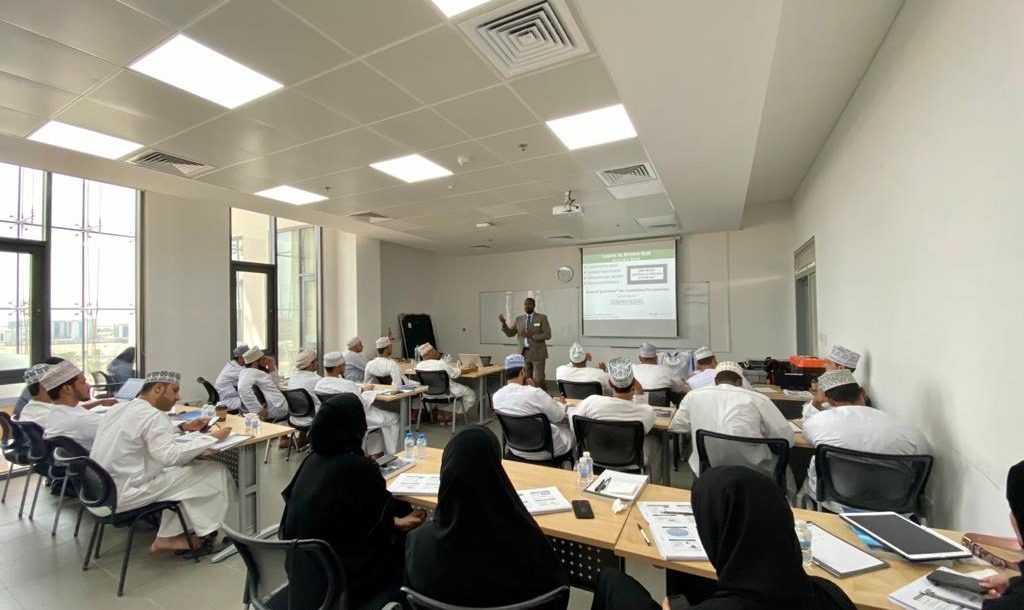
5. Case Study: Oman Ministry of Education: A clear example of effective implementation comes from the Oman Ministry of Education, which deployed more than 387 virtual labs for grades 4 through 12. Their setup used computers with 4-core processors, 12GB of RAM, and NVIDIA 3050 graphics cards with 3GB of VRAM. This demonstrates that moderate hardware is sufficient when paired with well-designed simulations.
Additionally, the program included only 8 hours of online teacher training. This relatively short training period proved sufficient for educators to effectively integrate virtual labs into their teaching, showing that large-scale adoption does not require extensive or complex onboarding processes.
6. Teacher Customization and LMS Integration: For virtual labs to be truly effective, they must allow educators to customize the evaluation content. This includes adding introductory questions, configuring final quizzes, and visualizing students data report.
Virtual labs should also provide students with data tables to record observations during experiments. This mirrors real laboratory practices, where students collect data, perform calculations, and answer analytical questions. Integration with Learning Management Systems (LMS) ensures that this data can be reported, evaluated, and tracked efficiently.
7. Maintain Continuity Between Virtual and Physical Labs: Students should experience a seamless transition between digital and real environments. Virtual labs should prepare them to handle real equipment confidently, reinforcing both theoretical understanding and practical skills.
In conclusion, the successful implementation of virtual labs depends on prioritizing realism, accuracy, and educational alignment over unnecessary hardware investment. By focusing on simulations that faithfully replicate laboratory equipment and scientific phenomena, schools can deliver high-quality science education that is both scalable and effective. When combined with proper teacher tools and minimal training requirements, virtual labs become a powerful complement to traditional laboratory learning.
Contact Us




.png)